What is a Bandeja?
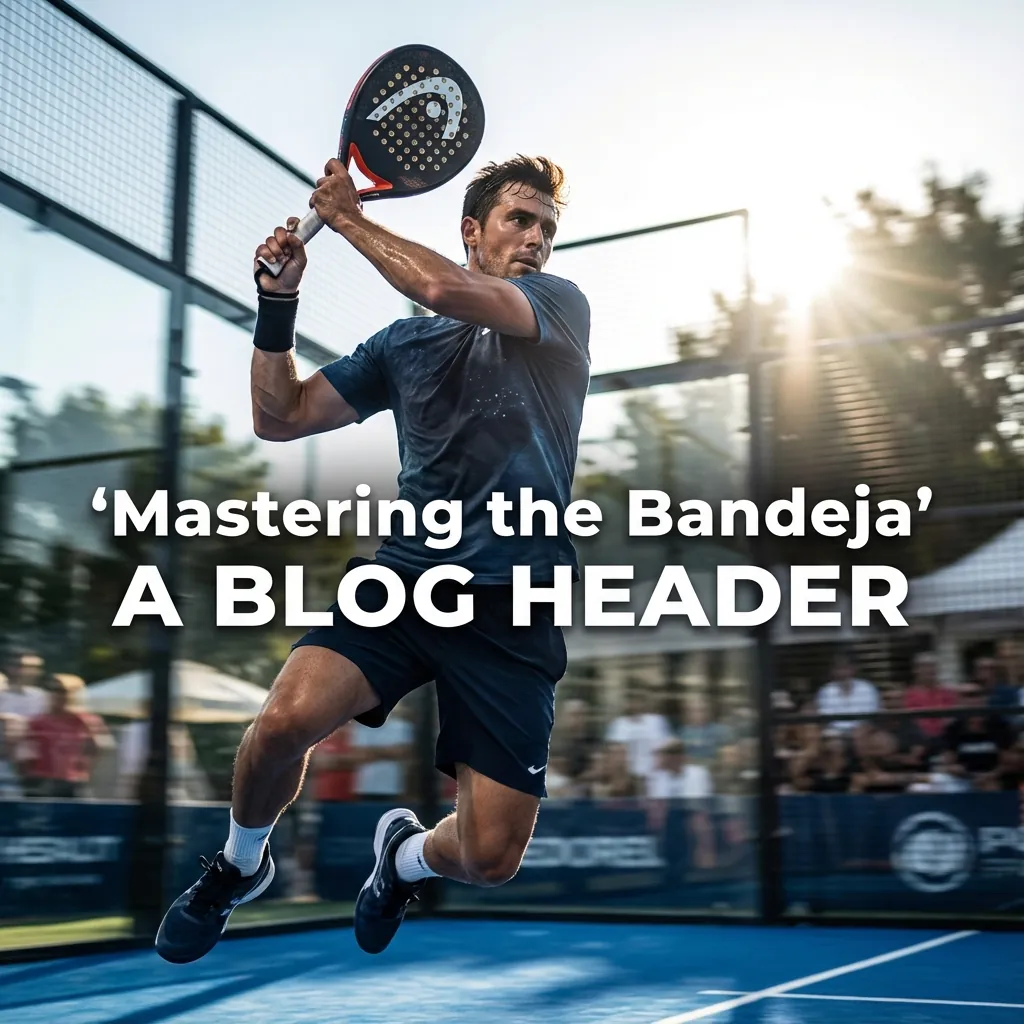
If you want to play padel at a high level, the bandeja is the most critical technical tool in your arsenal. The word literally means “tray” in Spanish, describing the open-faced racket position you maintain throughout the shot.
Unlike a smash, which is an aggressive finishing shot, the bandeja is defensive or building in nature. It is your response to a deep lob that catches you slightly out of position. Instead of giving up the net, you hit a bandeja to keep the ball low and deep, forcing your opponents back and allowing you to maintain your offensive stance.
The Grip: The Continental Foundation
Everything in a good padel bandeja starts with the grip. You must use the Continental grip (the "hammer" grip).
- Why: It allows for the natural open racket face needed to generate slice.
- How to check: Hold the racket like a hammer. The "V" between your thumb and index finger should be on the top edge of the handle.
Step 1: Preparation
The biggest mistake padel players make is waiting for the ball to reach them. As soon as you recognize a lob:
Pro Observation:
"Early preparation is 80% of a successful bandeja. If your shoulders aren't turned by the time the ball peaks, you're already late."
Turn your body fully sideways. Your non-dominant hand should point towards the ball, while your hitting arm is cocked back with the elbow high, roughly at eye level.
Step 2: The Contact Point
The contact point is the signature of the bandeja. While a smash is hit at full extension, the bandeja is hit at shoulder to eye level.
You want to hit the ball slightly out in front of your body and to your side. Most importantly, you are brushing the ball from 3 o'clock to 9 o'clock (for right-handers) to generate backspin (slice). This spin makes the ball stay low after it hits the glass, making it incredibly difficult for opponents to defend.
Step 3: The Follow Through
Your follow-through should be compact and focused. Think about "hugging" yourself; your hitting arm should finish across your chest towards the opposite shoulder. This rotation ensures you aren't just using your arm strength but leveraging your entire body weight into the shot.
Strategic Placement: Cross-court vs. Down the Line
Where you hit your bandeja is just as important as how you hit it.
- The Cross-Court (Diagonal): This is the safest and most effective placement. By hitting into the corner, you force the ball into the "double wall" (side glass then back glass), which is the hardest defensive scenario in padel.
- Down the Line (Parallel): Best used when you want a faster transition or to catch an opponent who is anticipating a diagonal shot. However, it offers a higher risk of the ball rebounding too far off the back glass if hit too hard.
The Physical Engine: Why your core matters
Competitive padel requires explosive trunk rotation. The power of a bandeja doesn't come from the triceps; it comes from the core and legs.
You need stable legs to move backward quickly and a strong core to rotate your torso as you make contact. If you find your bandeja is "floating" or lacks depth, you are likely hitting with just your arm.
Common Mistakes to Avoid
- Hitting too hard: Remember, this is a transition shot. A bandeja that hits the back glass with too much speed will rebound high, giving your opponents a chance to counter-attack.
- Not moving feet: You must move your feet until the very last second. If you reach for the ball, your balance is gone, and the slice will be inconsistent.
- Wrong contact point: Hitting too high turns it into a weak smash; hitting too low allows the ball to rise over the net too much.
Drills for the Court
1. The "Basket" Drill
Start at the net. Have a partner/coach throw high lobs. Move back, hit a bandeja into the diagonal corner, and sprint back to the net. Repeat 15 times.
2. The Target Challenge
Place a ball bucket in the corner of the court. Aim to hit the bandeja so that it bounces once before reaching the side glass and hits the bucket area. Consistency over power.
3. The Static Contact Drill
Stand in your hitting position. Drop the ball from shoulder height and hit the bandeja across the court, focusing purely on the slice and the "V" shape follow-through.
Pro Tip
Always aim for the side-wall/back-wall joint. In padel, this is known as the "nick" or the "dead zone." If the ball hits that corner, it won't bounce predictably, making it an unreturnable bandeja.
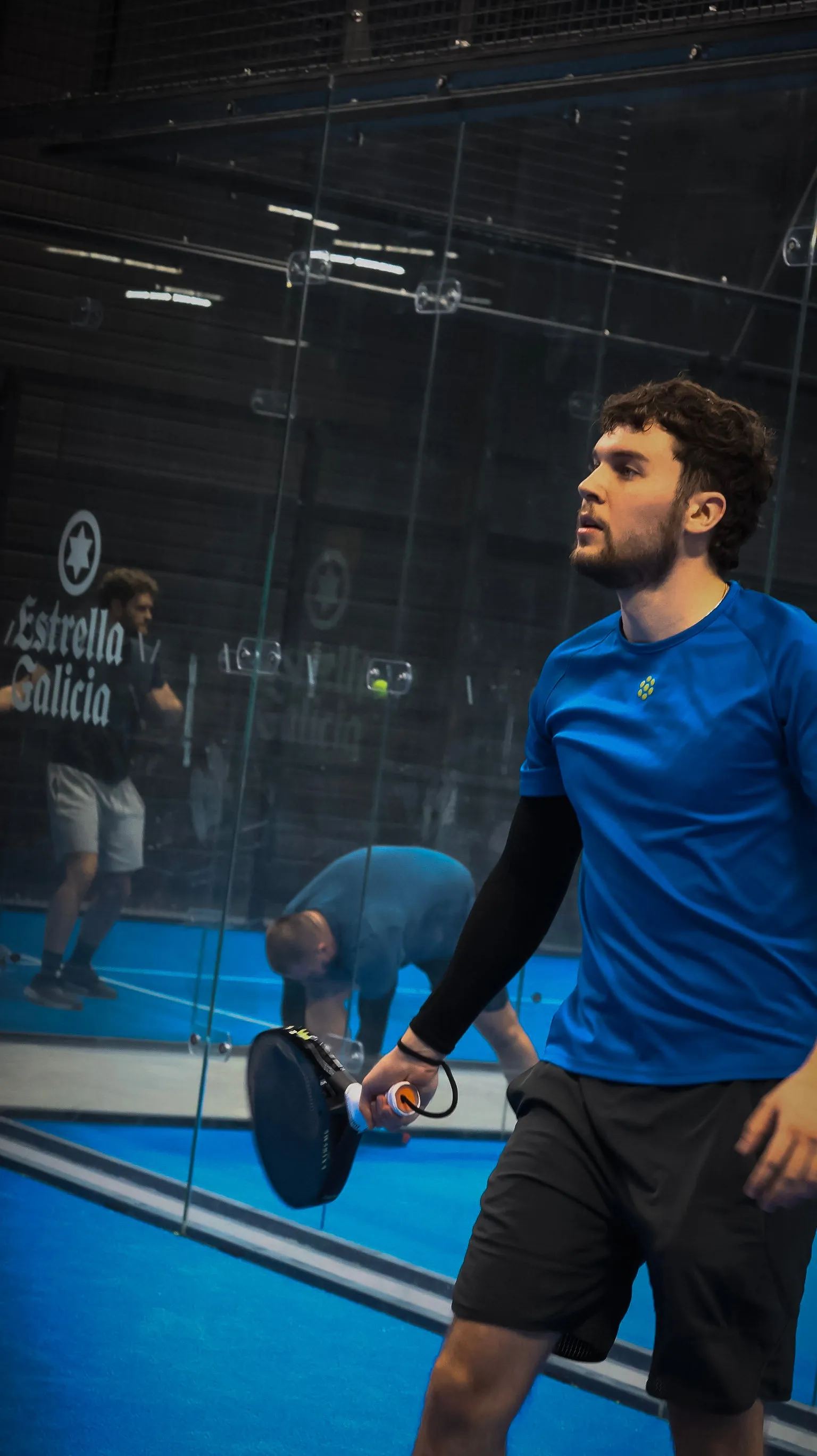
Zvonimir Rezo
The Founder"Building for the Community"
Zvonimir is a software engineer and competitive padel player in the Croatian Padel League. He builds Padel Finder to help players bypass marketing hype and find equipment that actually fits their level.